
Key Takeaways
- A CT scan, or computed tomography scan, is a medical imaging technique that uses X-rays and computer processing to create detailed cross-sectional images of the body.
- It's used to diagnose a wide range of conditions, including injuries, infections, tumors, and internal bleeding, providing more detail than a standard X-ray.
- The procedure is generally quick and painless, though some scans require a contrast dye to enhance the visibility of certain tissues or blood vessels.
- Pittsburgh Imaging & Wellness is an ACR-accredited imaging center in PA offering advanced, low-dose CT scans. Schedule your appointment today.
Understanding CT Scans: A Closer Look
Your doctor just recommended a CT scan, and now your mind is racing with questions. What does that even mean? Is it safe? What will it show? It's completely normal to feel a bit of uncertainty when facing a new medical procedure. Understanding what a CT scan is and why it's used can help ease your concerns and empower you to take an active role in your health.
CT scans are a powerful diagnostic tool that gives healthcare providers a detailed look inside your body. Unlike a traditional X-ray that produces a single flat image, a CT scanner rotates around you, taking multiple X-ray images from different angles. A computer then combines these images to create cross-sectional 'slices' of your bones, soft tissues, and blood vessels. Think of it like looking at one slice of bread from a whole loaf—it allows your doctor to see a specific area with incredible clarity.
This technology helps physicians diagnose diseases, plan treatments, and monitor how your body is responding to therapy.
When Is a CT Scan Recommended?
Doctors order CT scans for many reasons. Because they provide such detailed views, they are exceptionally useful for:
- Diagnosing Injuries: Identifying internal injuries from accidents, such as bleeding, organ damage, or complex bone fractures.
- Detecting and Monitoring Diseases: Locating tumors, infections, or blood clots and monitoring conditions like cancer or heart disease.
- Guiding Procedures: Assisting with medical procedures like biopsies, surgeries, and radiation therapy by providing a precise map of the area.
- Evaluating Unexplained Pain: Investigating the cause of symptoms like abdominal pain or persistent headaches when other tests are inconclusive.
What's the Difference Between a CT Scan and an MRI?
While both are powerful imaging tools, CT scans and MRIs work differently and are used for distinct purposes. Your doctor will choose the best test based on your specific symptoms and medical history.
| Feature | CT Scan | MRI (Magnetic Resonance Imaging) |
|---|---|---|
| Technology | Uses X-rays to create images. | Uses powerful magnets and radio waves. |
| Best For | Bone injuries, lung and chest imaging, cancer detection, and emergency situations where speed is critical. | Soft tissue injuries (ligaments, tendons), spinal cord issues, brain tumors, and joint problems. |
| Procedure Time | Typically very fast, often completed in under 15 minutes. | Longer, usually 30-60 minutes or more. |
| Noise Level | Quiet, with a gentle whirring sound. | Can be very loud, requiring ear protection. |
| Contrast | May use an iodine-based contrast dye. | May use a gadolinium-based contrast agent. |
Schedule Your CT Scan in Pittsburgh
When it comes to your health, getting clear and accurate answers is crucial. Pittsburgh Imaging & Wellness provides state-of-the-art diagnostic imaging in a comfortable setting, giving you and your doctor the insights needed for confident medical decisions.
To book your appointment, contact Pittsburgh Imaging & Wellness today and ask about our CT scan services.
Frequently Asked Questions
How should I prepare for a CT scan?
Preparation depends on the type of scan. You may be asked to avoid eating or drinking for a few hours beforehand. For some scans, you’ll drink a contrast material or have it injected to make certain organs or blood vessels stand out. Be sure to inform your doctor of any allergies, medical conditions, or medications you're taking.
Are CT scans safe?
CT scans are considered very safe. They do involve a small amount of ionizing radiation, but modern scanners, like those at Pittsburgh Imaging & Wellness, use the lowest dose possible to get a quality image. The benefit of an accurate diagnosis typically far outweighs the minimal risk.
What can I expect during a CT scan?
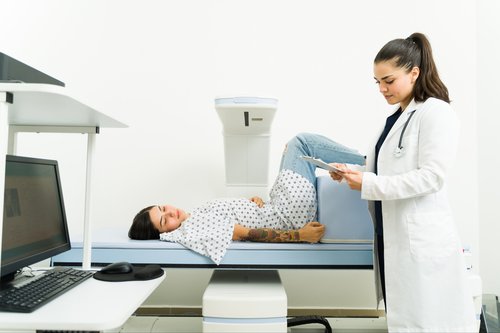
You will lie on a table that slides into the scanner. The machine will make quiet whirring noises as it captures images. A technologist will guide you through the process via an intercom. The scan itself is painless, though you might feel a warm sensation if contrast dye is used.
What is a CT scan with contrast?
A CT scan with contrast involves using a special dye, usually iodine-based, to highlight specific areas inside your body. The dye can be swallowed, injected into a vein, or administered as an enema. This helps create clearer images of blood vessels, organs, and other soft tissues.
How long does it take to get CT scan results?
A radiologist will analyze your CT scan images and send a report to your doctor, usually within 24 to 48 hours. Your doctor will then discuss the results with you at a follow-up appointment.