
Key Takeaways
- Fear of discomfort is one of the top reasons people delay scheduling their mammogram.
- Breast compression during a mammogram typically lasts only a few seconds per image.
- The pressure you feel is necessary to get clear, accurate pictures, not a sign that anything is wrong.
- Simple timing choices, like avoiding the week before your period, can make the exam more comfortable.
- Pittsburgh Imaging and Wellness technologists are trained to keep every patient comfortable and informed, so there's no reason to let worry about discomfort keep you from a screening that could save your life. Request an appointment online whenever you're ready.
What Breast Compression Actually Feels Like
Let's address the question head-on: yes, a mammogram involves pressure, and for some patients, that pressure is uncomfortable. It's one of the most common concerns people bring up before their first screening, and it's a completely fair thing to wonder about.
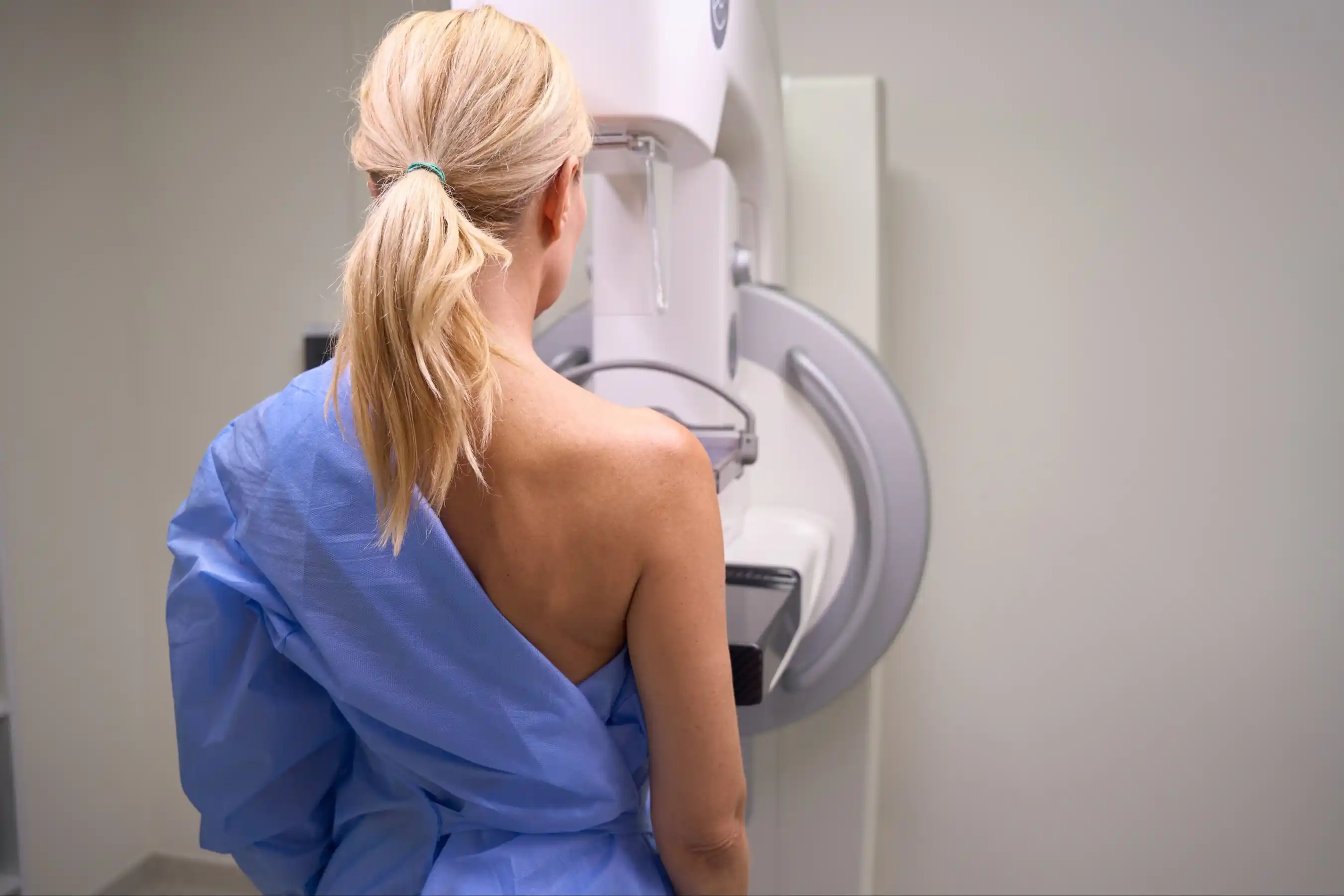
During the exam, a technologist places your breast on a flat platform. A second surface, called a compression paddle, gently lowers to flatten the breast tissue. Patients often describe the sensation as firm pressure or squeezing rather than sharp pain. Everyone's experience is a little different. Factors like breast size, breast density, and where you are in your menstrual cycle can all affect how the compression feels.
For most patients, any discomfort passes quickly once the compression paddle releases.
How Long the Discomfort Typically Lasts
This is often the detail that reassures patients the most: the compression itself only lasts a few seconds at a time. A typical mammogram requires two images of each breast, taken from different angles, which means the total time your breast tissue spends under compression adds up to less than a minute across the whole appointment.
The full exam, including positioning and repositioning between images, usually takes less than 30 minutes from start to finish. Most of that time isn't spent under compression at all. It's spent getting positioned correctly so the technologist can capture a clear image.
Why Compression Is Necessary for Accurate Images
It might be tempting to wish the compression step away entirely, but it plays an essential role in getting an accurate mammogram. Compressing the breast:
- Spreads out the breast tissue so overlapping structures don't hide a potential problem
- Reduces the thickness the X-ray has to pass through, which lowers your radiation exposure
- Holds the breast still, minimizing blur that could force a repeat image
In other words, compression isn't an unfortunate side effect of the test. It's what makes the test work. Without it, radiologists would have a much harder time spotting the kind of small, early-stage changes that make mammography such a powerful screening tool.
Tips Patients Can Use to Ease Anxiety Beforehand
A few simple choices can make your appointment more comfortable, especially if you menstruate:
| Tip | Why It Helps |
|---|---|
| Schedule around your cycle | Breasts are often less tender the week after your period ends |
| Skip deodorant, lotion, and powder | These products can create false spots on the X-ray image and may require a repeat picture |
| Wear a two-piece outfit | You'll only need to undress from the waist up, which keeps the visit quick |
| Speak up during the exam | Technologists can adjust positioning if the pressure feels like too much |
It also helps simply to know what to expect ahead of time. Patients who understand why compression happens and how briefly it lasts tend to feel less anxious walking into the exam room.
How Our Technologists Support Nervous or First-Time Patients
If you're feeling nervous, you're not alone, and the team at Pittsburgh Imaging and Wellness has heard every version of that worry before. Technologists routinely walk first-time patients through each step before it happens, so there are no surprises. If you're claustrophobic, sensitive to touch, or simply anxious about the unknown, let your technologist know at the start of your appointment. They can adjust their pace, explain each step as they go, and check in with you throughout the exam.
Patients consistently mention this kind of attentive, reassuring care in their reviews of Pittsburgh Imaging and Wellness, and it's a big part of why so many return year after year for their annual screening.
Don't Let Discomfort Keep You From Getting Screened
A few seconds of pressure is a small trade-off for a test that can catch breast cancer years before it would otherwise be noticeable. Most patients find the exam far more manageable than they expected, and any discomfort fades the moment the compression releases.
If fear of discomfort has been holding you back, let the team at Pittsburgh Imaging and Wellness walk you through it. Request an appointment online for a mammogram and experience compassionate, ACR-accredited care firsthand.
Frequently Asked Questions
Does a mammogram hurt?
Some patients experience mild discomfort from the compression, but most describe it as pressure rather than pain. The sensation is brief, usually lasting only a few seconds per image, and it passes quickly once the paddle releases.
Why does a mammogram feel uncomfortable?
The compression paddle flattens breast tissue to spread it out for a clearer image and to reduce your radiation exposure. Some tenderness is normal, especially if your appointment falls close to your menstrual period.
How can I make my mammogram less uncomfortable?
Scheduling your appointment for the week after your period, when breasts tend to be less tender, is one of the easiest ways to reduce discomfort. Letting your technologist know if you're anxious or sensitive also allows them to adjust their approach during the exam.
How long does the compression actually last?
Each individual compression typically lasts only a few seconds. Across a standard mammogram with images of both breasts, the total time spent under compression adds up to less than a minute.
What if I'm too nervous to get a mammogram near me?
That's a completely normal feeling, and it's one the technologists at Pittsburgh Imaging and Wellness are experienced in supporting. Let your care team know ahead of time so they can walk you through each step and help you feel as comfortable as possible.
