
Key Takeaways
- A bone density scan, also known as a DEXA scan, is the gold standard for measuring bone health and diagnosing osteoporosis.
- The procedure is quick, completely painless, and non-invasive, requiring no needles or uncomfortable injections.
- You do not need to do much preparation, but wearing loose, metal-free clothing can speed up the process significantly.
- Results are typically reported as T-scores and Z-scores, which compare your bone density to healthy norms to assess fracture risk.
- Pittsburgh Imaging & Wellness is your expert provider for bone density testing near me in Pittsburgh, offering comprehensive outpatient imaging services ranging from DEXA scans to X-rays and MRI with a team of board-certified radiologists accredited by the American College of Radiology.
- Patients choose us for our accessible, lower-cost care compared to hospital facilities, free on-site parking, same-day appointments, and fast results delivered by a compassionate team.
Why Bone Health Matters More Than You Think
Your bones are the support system for your entire body. While we often think of bones as solid and unchanging, they are actually living tissue that is constantly breaking down and rebuilding. As we age, this rebuilding process slows down, potentially leading to osteopenia or osteoporosis. These conditions weaken bones and make them more susceptible to fractures.
The best way to catch these issues early is through diagnostic imaging. Specifically, a Dual-Energy X-ray Absorptiometry (DEXA) scan. If you have been searching for 'dexa scan near me' or 'bone density testing near me,' you are already taking a proactive step toward protecting your future mobility. Before you head to your appointment, here are the five most important things you need to understand about the process.
1. It Is Quicker and Easier Than You Think
Medical tests often bring up feelings of anxiety. We associate 'scans' with loud noises, tight spaces, or needles. The good news is that a bone density scan is arguably the easiest medical test you will ever undergo.
No Needles, No Pain
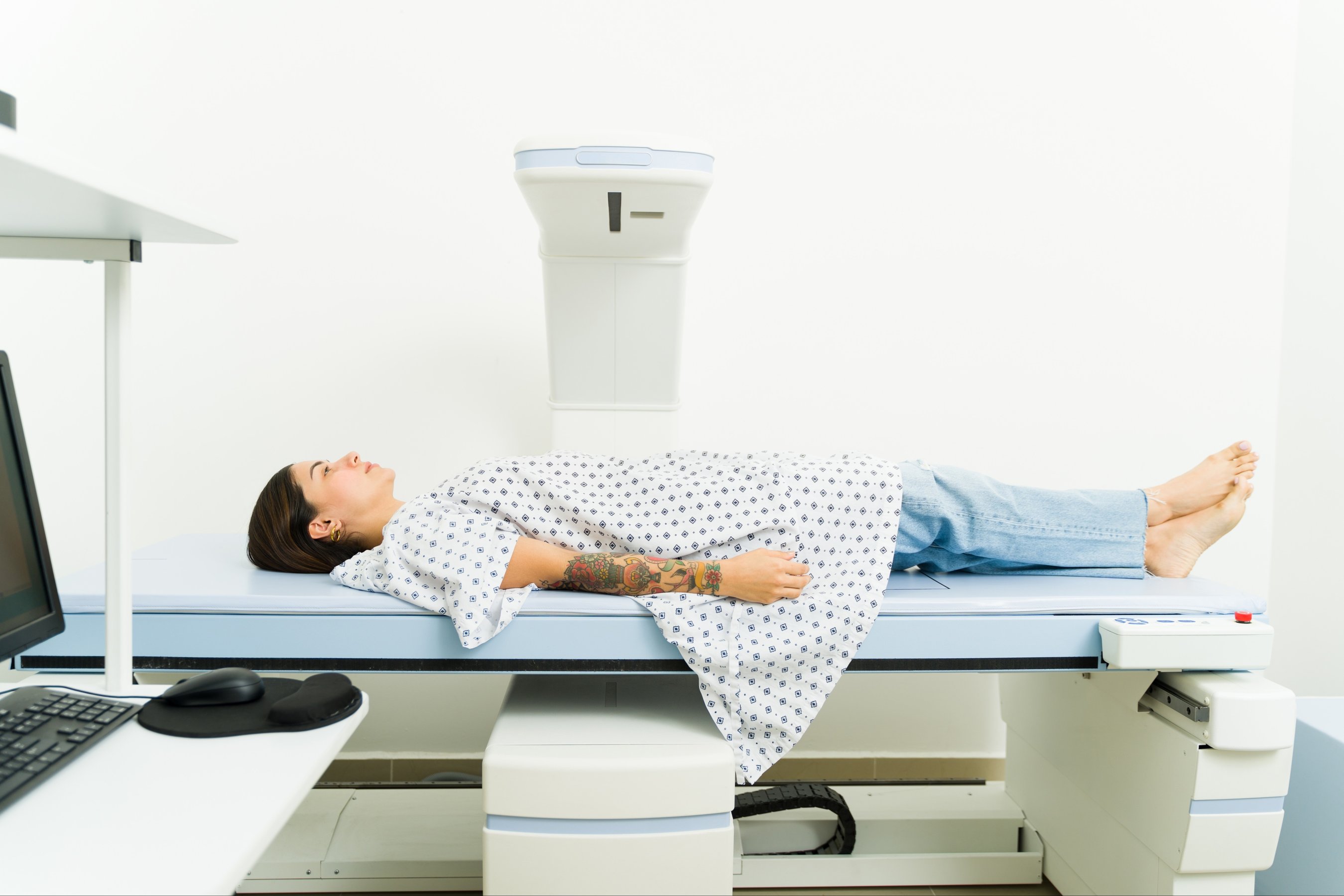
Unlike blood tests that require a needle stick or MRIs that might require contrast dye, a DEXA scan is completely non-invasive. You simply lie on a padded table while a scanner arm passes over your body. The machine does not touch you, and you will not feel a thing.
Fast Turnaround
We know your time is valuable. One of the biggest advantages of choosing an outpatient facility like Pittsburgh Imaging & Wellness over a large hospital system is efficiency. The actual scanning process usually takes between 10 to 20 minutes. Because we offer same-day and next-day appointments with fast result turnaround, you can get back to your daily routine immediately.
2. What to Wear (and What to Avoid)
While preparation for a bone density scan is minimal compared to other procedures, your clothing choice matters. The goal is to prevent image interference so the radiologist can get the clearest possible reading of your bones.
The Ideal Outfit
Aim for comfort. Wear loose-fitting, comfortable clothing. Sweatpants and a T-shirt are perfect. If you wear clothes without metal fasteners, you may not even need to change into a hospital gown.
What to Leave at Home
Metal can distort the X-ray images, leading to inaccurate results. Try to avoid wearing:
- Clothing with zippers, snaps, or metal buttons (like jeans).
- Underwire bras.
- Jewelry, especially necklaces or belly button rings.
- Belts with large buckles.
If you do arrive wearing these items, don't worry. The team at Pittsburgh Imaging & Wellness will provide a private place for you to change, ensuring your scan is accurate and effective.
3. What to Expect During the Test
Knowing exactly what happens in the room can help alleviate any lingering nerves. When you arrive for your bone density testing near me, you will be guided by a skilled technologist who specializes in imaging.
The Scanning Process
You will lie on your back on a comfortable, open table. Unlike an MRI, you are not enclosed in a tube or tunnel. The technologist may place a supportive block under your knees to flatten your lower spine for a better image, or position your hip slightly inward.
The scanner arm sends a thin, invisible beam of low-dose X-rays through your bones. This usually focuses on two key areas: the lumbar spine (lower back) and the hip. These areas are chosen because they are frequent sites for fractures and provide a good representation of total body bone strength.
Radiation Safety
Safety is a top priority for any radiologist doctor near me. It is important to know that the radiation exposure from a DEXA scan is extremely low—much lower than a standard chest X-ray and roughly equivalent to the amount of natural background radiation you are exposed to in a single day.
4. Decoding Your Data: T-Scores vs. Z-Scores
Once your scan is complete, the data is analyzed by a board-certified radiologist. Your results will generally include two main numbers: a T-score and a Z-score. Understanding the difference between these two is crucial for interpreting your bone health.
The T-Score Explained
The T-score is the most relevant number for diagnosing osteoporosis in postmenopausal women and men over age 50. It compares your bone density to that of a healthy 30-year-old adult (when bone mass is at its peak).
- -1.0 and above: Normal bone density.
- -1.0 to -2.5: Osteopenia (low bone mass, which may lead to osteoporosis).
- -2.5 and below: Osteoporosis.
The Z-Score Explained
The Z-score compares your bone density to what is expected for someone of your same age, sex, weight, and ethnic origin. This score helps doctors determine if something other than aging is causing bone loss.
T-Score vs. Z-Score Comparison Table
| Feature | T-Score | Z-Score |
|---|---|---|
| Comparison Group | Healthy young adult (Peak bone mass) | People of your same age, sex, and size |
| Primary Use | Diagnosing Osteopenia and Osteoporosis | Identifying secondary causes of bone loss |
| Target Audience | Men over 50 and postmenopausal women | Children, young adults, and premenopausal women |
| What Low Score Means | High fracture risk due to bone loss | Bone loss may be caused by medication or illness |
By analyzing these scores, the experienced professionals at Pittsburgh Imaging & Wellness can provide your referring physician with the precise data needed to create a treatment plan if necessary.
5. Looking Ahead: Follow-Up Scans
A bone density scan is rarely a 'one and done' event. Just like checking your blood pressure or cholesterol, monitoring bone density is about tracking changes over time.
Frequency of Testing
If your results are normal, you may not need another scan for several years. However, if you are diagnosed with osteopenia or osteoporosis, or if you are starting a treatment plan to improve bone density, your doctor will likely recommend follow-up scans.
Typically, follow-ups occur every two years. This allows enough time for the bones to show measurable changes in density. Consistent monitoring helps you see if your lifestyle changes—such as increased calcium intake, weight-bearing exercise, or medication—are working effectively.
Why Consistency Matters
For the most accurate tracking, it is best to have your follow-up scans done at the same facility and preferably on the same machine. Different machines can have slight calibration variations. By returning to Pittsburgh Imaging & Wellness for your subsequent scans, you ensure that your T-scores are being compared accurately against your historical data.
Prioritize Your Bone Health Today
Taking care of your bones is an investment in your future independence and mobility. A DEXA scan is a simple, painless tool that provides powerful insights into your health, allowing you to catch issues before they become fractures. Whether you need a routine check or are following up on a doctor's recommendation, choosing the right facility makes all the difference.
At Pittsburgh Imaging & Wellness, we combine advanced technology with a patient-centered approach. We understand that you have a choice when searching for a 'radiologist near me,' and we strive to make that choice easy by offering lower prices than hospital-based facilities, free parking, and a compassionate team that treats you like a person, not a number.
Don’t wait for a fracture to think about your bone density. Schedule your appointment with Pittsburgh Imaging & Wellness today to get the answers you need in a comfortable, convenient setting.
Frequently Asked Questions
Is a DEXA scan the same as a bone scan?
No, they are different procedures. A DEXA scan measures bone mineral density to diagnose osteoporosis. A 'bone scan' (nuclear medicine scan) involves injecting a tracer to look for infections, fractures, or cancer in the bones. If you are looking for preventative osteoporosis screening, you want a DEXA scan.
Do I need a referral to see a radiologist doctor near me for this test?
In most cases, yes. A bone density scan is a diagnostic test that typically requires a referral or order from your primary care physician or specialist. Once you have that order, you can choose to have your test done at an independent facility like Pittsburgh Imaging & Wellness, which often saves you money compared to a hospital.
How much radiation will I be exposed to?
The radiation exposure from a DEXA scan is extremely low. It is approximately one-tenth of the radiation of a standard chest X-ray. It is considered safe for most people, though you should always inform your technologist if there is any chance you could be pregnant.
Can I eat before my bone density testing near me?
Yes, you can eat normally on the day of your exam. However, you should avoid taking calcium supplements or multivitamins for at least 24 hours before your scan, as undissolved pills in your digestive tract can sometimes interfere with the images of your spine.
