
Key Takeaways
- Osteoporosis is significantly underdiagnosed in men, even though millions are affected by low bone mass.
- Risk factors for men include low testosterone levels, long-term steroid use, smoking, excessive alcohol consumption, and a sedentary lifestyle.
- Early screening with a DEXA scan is crucial for preventing painful and debilitating fractures before they happen.
- Symptoms like a noticeable loss of height, back pain, or a bone that breaks more easily than expected can signal underlying bone loss.
- For expert bone density testing near you, Pittsburgh Imaging & Wellness offers advanced DEXA scans with board-certified radiologists to assess your bone health accurately.
Why Bone Health Matters for Men
When you think about osteoporosis, you might picture it as a condition that only affects women. However, this common misconception leaves millions of men at risk for serious bone health issues. The reality is that men also experience bone loss as they age, and the consequences can be just as severe, leading to painful fractures, loss of independence, and a decreased quality of life.
Understanding the risks and recognizing the symptoms are the first steps toward protecting your bone health. Early detection through simple, non-invasive screening allows you to take proactive measures to keep your bones strong for years to come. This is where bone density testing plays a vital role.
Understanding Male Osteoporosis and Its Risk Factors
Osteoporosis in men is often overlooked and underdiagnosed. While bone loss tends to happen later in life for men compared to women, it still poses a significant threat. According to the Bone Health and Osteoporosis Foundation, up to one in four men over age 50 will break a bone due to osteoporosis.
Key Risk Factors for Men
Several factors can increase a man's likelihood of developing low bone density. Some are unchangeable, like genetics and age, while others are tied to lifestyle or medical conditions.
- Low Testosterone Levels: The hormone testosterone plays a key role in building and maintaining bone mass. Low levels, whether due to aging or medical conditions, can accelerate bone loss.
- Lifestyle Choices: Smoking and excessive alcohol intake directly harm bone cells and interfere with the body's ability to absorb calcium.
- Long-Term Steroid Use: Medications like prednisone, often used for conditions such as asthma or rheumatoid arthritis, can significantly weaken bones over time.
- Lack of Physical Activity: Weight-bearing exercises, like walking, jogging, and strength training, stimulate bone growth. A sedentary lifestyle does the opposite, contributing to weaker bones.
- Insufficient Calcium and Vitamin D: These nutrients are the fundamental building blocks of strong bones. A poor diet can lead to deficiencies that leave your skeleton vulnerable.
- Family History: If a close relative had osteoporosis or hip fractures, your own risk is higher.
Recognizing the Signs of Bone Loss
Osteoporosis is often called a 'silent disease' because it typically has no symptoms until a fracture occurs. However, there are a few subtle signs that could indicate your bones are losing density.
- Loss of Height: Losing an inch or more in height can be a sign of compression fractures in the spine.
- Postural Changes: A stooped or hunched posture may develop as a result of weakened vertebrae.
- Sudden Back Pain: Severe back pain without an obvious cause could be from a fractured or collapsed vertebra.
- A Fracture from a Minor Incident: A bone that breaks much more easily than expected is a major red flag for low bone density.
The Role of DEXA Scans in Protecting Men's Health
If you have risk factors or are experiencing potential symptoms, a DEXA scan is the most effective tool for assessing your bone health. DEXA, which stands for Dual-Energy X-ray Absorptiometry, is the gold standard for bone density testing.
What is a DEXA Scan?
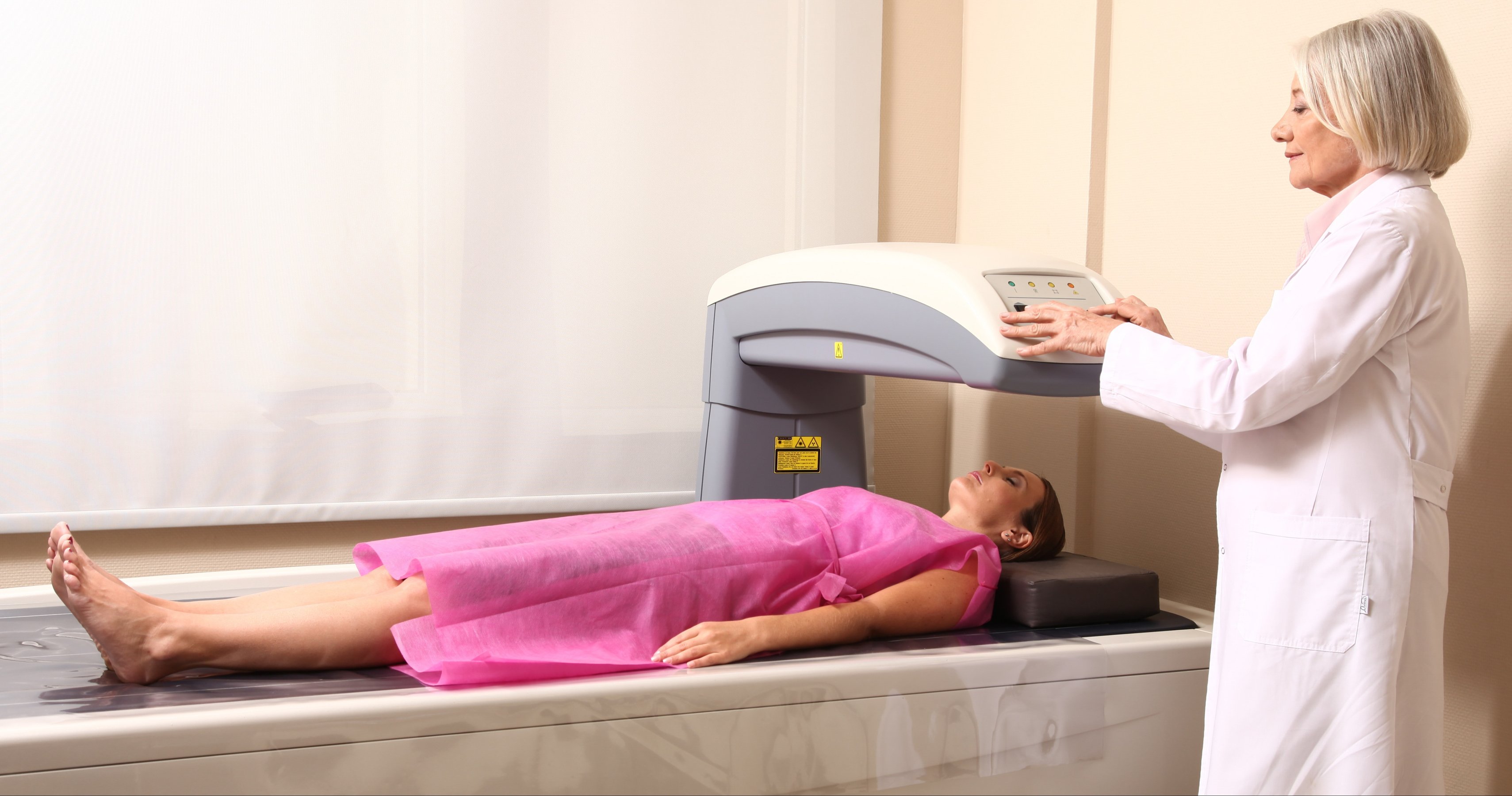
A DEXA scan is a quick, painless, and non-invasive imaging test that uses very low-dose X-rays to measure the mineral content of your bones. It provides a clear picture of your bone density, allowing your doctor to determine your risk of fractures. The scan typically focuses on the hip and spine, as these areas are most susceptible to osteoporotic fractures.
Why Early Screening with DEXA is Crucial
The primary advantage of a DEXA scan is its ability to identify low bone mass before a serious injury occurs. It’s a proactive step, not a reactive one.
| Without DEXA Screening | With DEXA Screening |
|---|---|
| Bone loss goes undetected until a painful fracture occurs. | Low bone density is identified early, often years before a fracture. |
| Treatment begins after an injury, focusing on healing and pain management. | Proactive steps (diet, exercise, medication) can be taken to strengthen bones. |
| Higher risk of debilitating fractures, loss of mobility, and complications. | Fracture risk is significantly reduced, preserving quality of life and independence. |
By detecting osteoporosis or its precursor, osteopenia (low bone mass), a DEXA scan empowers you and your doctor to create a plan to protect your bones. This might include dietary changes, a new exercise regimen, or medication to slow bone loss and rebuild density.
Finding a Trusted Radiologist Doctor Near Me
When you need bone density testing, you want a team you can trust. At Pittsburgh Imaging & Wellness, our scans are performed by experienced technologists and interpreted by a board-certified radiologist doctor near you. Our team is accredited by the American College of Radiology (ACR), ensuring you receive the highest standard of care.
Take Proactive Steps to Protect Your Bone Health & Wellness
Don't wait for a fracture to take your bone health seriously. If you are over 50 or have risk factors for osteoporosis, talk to your doctor about whether a DEXA scan is right for you. Taking this simple step can provide crucial information to help you stay strong, active, and independent.
Ready to take control of your bone health? Schedule your DEXA Scan at Pittsburgh Imaging & Wellness today by requesting an appointment online or calling our office.
Frequently Asked Questions
How long does a DEXA scan take?
A DEXA scan is a very fast procedure. The scan itself typically takes only 10 to 15 minutes to complete. You can expect to be in and out of our office quickly.
Is a DEXA scan painful?
No, a DEXA scan is completely painless and non-invasive. You simply lie comfortably on a padded table while the scanner passes over your body. The radiation exposure is extremely low, even less than a standard chest X-ray.
When should a man get a DEXA scan?
The National Osteoporosis Foundation recommends bone density testing for all men age 70 and older. Men aged 50-69 should consider a scan if they have risk factors such as a history of fractures, long-term steroid use, or low testosterone levels. Your doctor can help determine theright time for you to get screened.
Where can I find reliable bone density testing near me?
For accurate and convenient bone density testing near you, look for an accredited outpatient imaging center. Pittsburgh Imaging & Wellness offers expert DEXA scans with same-day and next-day appointments available, providing a comfortable and efficient experience.
